“a pick” search results (11000)

Brazilian Coffee processing Panamanian Manor Coffee beans
When the coffee berries are ripe, they are usually harvested by manual picking. In some places, only the fully ripe berries are picked, while others are all picked from a single branch. The former is called handpicked and the latter is called strip-picking. Because the ripening time of coffee berries is not consistent, the harvest is likely to be divided into several stages.
2016-06-07 Brazil coffee processing process Panama manor coffee beans berries Cheng
Nicaraguan coffee flavor taste lemon tree manor Nicaraguan coffee producing area
Lemon Tree Manor also processes coffee in a honey-treated way. After the coffee fruit is actually picked, the coffee with its exocarp removed is put on the African shed to dry. Compared with the traditional way of placing coffee directly on the ground to dry coffee, using African shed to dry coffee can reduce more pollution in the drying process, avoid producing more miscellaneous smell, and finally improve the quality of coffee.
2016-07-30 Nicaragua coffee flavor taste lemon tree manor producing area
Introduction to the structure diagram and growth process of coffee bean structure roaster
The harvested coffee berries need further treatment, usually in two ways. Then there is the Qing Dynasty.
2016-10-18 Coffee beans raw beans structure roaster structure diagram growth process introduction harvest
Explain the steps of wet treatment after coffee picking
As the harvest season is almost over, I would like to add an overview of the coffee processing process. In this blog post, I will introduce to you the steps of wet treatment in Yunnan after coffee picking. After harvest, the berries are either sent directly to the pulp collector (if the harvest is done well), or concentrated in a siphon tank filled with water. The berries are here.
2014-12-16 Coffee picking later processing steps explanation harvest season right away over.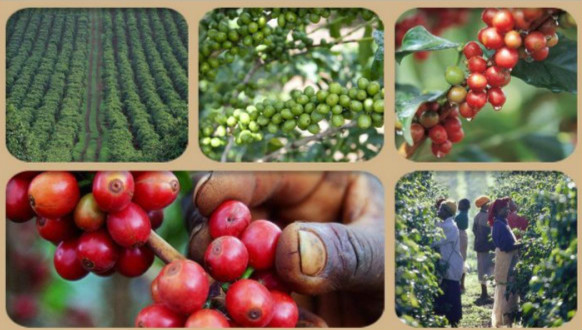
Kenya coffee treatment method Kenya coffee grade classification Kenya coffee taste suitable for iced coffee drink
Large coffee processing farms in Kenya usually have independent processing facilities. A large number of small farmers usually pick ripe coffee fruits by hand. Coffee picking is a labor-intensive job that requires the whole family to deploy and even hire workers during the harvest season. The fresh fruits of the picked coffee need to be promptly transported to the cooperative-owned coffee processing plant for pulping and transportation.
2016-04-01 Niya coffee treatment method Kenya grade classification taste fit Kenny
The roasting process of coffee fruit after picking.
Roasting is the last and most important step in the processing of coffee beans after being picked. Raw coffee beans cannot be directly used as drinking coffee. All coffee beans must be roasted before grinding and brewing. Unbaked coffee is often called raw coffee, which has a shelf life of up to one year compared with roasted coffee. The size of raw coffee beans
2015-11-05 Coffee fruit roasting process picking post-processing
Treatment methods of coffee beans after picking wet treatment steps
As the harvest season is almost over, I would like to add an overview of the coffee processing process. In this blog post, I will introduce to you the steps of wet treatment in Yunnan after coffee picking. After harvest, the berries are either sent directly to the pulp collector (if the harvest is done well), or concentrated in a siphon tank filled with water. The berries are here.
2015-03-24 Coffee beans picking after treatment methods steps harvest season right away past
The roasting process of coffee after picking.
Roasting is the last and most important step in the processing of coffee beans after being picked. Raw coffee beans cannot be directly used as drinking coffee. All coffee beans must be roasted before grinding and brewing. Unbaked coffee is often called raw coffee, which has a shelf life of up to one year compared with roasted coffee. The size of raw coffee beans
2015-05-28 Coffee beans roasting coffee picking post-processing process
Coffee common sense Coffee roasting process after picking
Generally speaking, coffee roasting is a time-temperature dependent process in which physical changes and chemical reactions occur in raw coffee. Roasting is the last and most important step in the processing of coffee beans after they have been picked. Green coffee beans cannot be used directly to make drinking coffee. All coffee beans must be roasted before grinding and brewing. not
2014-11-14 Coffee knowledge Fine coffee knowledge Coffee picking Coffee roasting
A family in Budadiri village in Africa picks coffee beans
One thing I am very curious about is that coffee comes from Africa, but in many parts of Africa, especially in small towns and villages, few people drink coffee. This time I visited the hometown of Uganda, which is rich in coffee, and this question can basically be answered. In the village of Budadiri in Mombali, a small town near the Kenyan border in Uganda, there are many coffee farms, so-called farms, but
2014-08-12 Coffee bean picking and coffee bean production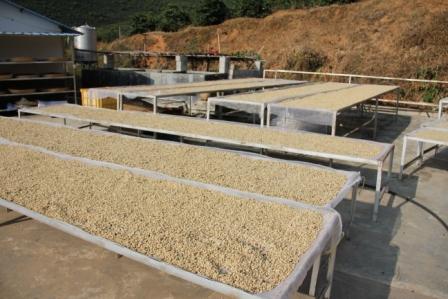
The treatment of coffee beans how to wash coffee beans
When the coffee berries are ripe, they are usually harvested by manual picking. In some places, only the fully ripe berries are picked, while others are all picked from a single branch. The former is called handpicked and the latter is called strip-picking. Because the ripening time of coffee berries is not consistent, the harvest is likely to be divided into several stages.
2016-03-21 Coffee beans processing process coffee raw beans how berries ripe usually
Technology of boutique coffee roasting process of coffee after picking
Roasting is the last and most important step in the processing of coffee beans after being picked. Raw coffee beans cannot be directly used as drinking coffee. All coffee beans must be roasted before grinding and brewing. Unbaked coffee is often called raw coffee, which has a shelf life of up to one year compared with roasted coffee. The size of raw coffee beans
2014-11-19 Coffee knowledge coffee technology coffee picking coffee roasting coffee processing
The "fruit" state of coffee beans when they are picked from a tree
From the fruit state of coffee beans when they are picked from the tree to the state of raw beans that can be baked, the moisture content of coffee beans will be controlled between 9% and 13%, and it is not easy to bake if the water content is too high or too low. Generally, we get newly collected raw beans with water washing treatment, the moisture content is usually about 11.5% to 12.5%, half-washed Mantenin may reach 13%, and half-washed Brazil is 11% ~ 12% per day.
2015-09-22 Coffee beans on the tree picking fruit status coffee beans trees shape
Introduction to the characteristics of Coffee Bean Flavor description by Brazilian Coffee Machine picking method
This method is to hit the ripe fruit or shake the coffee branch with a random stick, so that the fruit falls and accumulates into a pile. Larger estates use large harvesters, while small and medium-sized farms harvest with a sea of people mobilized by the whole family. This method of shaking the fruit off the ground is easier to mix with impurities and defective beans than the hand-picking method, and beans from some areas will be stained with a strange smell, either because
2016-10-20 Brazil coffee machine picking coffee beans flavor description grinding varieties characteristics
Coffee Manor in Nicaragua introduces Lemon Manor Fine Coffee beans
Although Nicaragua is a country with a large territory in Central America, it is not a big producer in the coffee world, and its output and reputation are much weaker than that of its neighbor Costa Rica. But the high-quality Nicaraguan coffee is in the forefront of coffee beans in the world and enjoys a good reputation. Traditional Nicaraguan coffee farmers are used to the subsequent processing of coffee fruits by washing.
2016-07-12 Nicaragua Coffee Manor producing area introduction Lemon Tree Fine goods Coffee beans Niga
The Baking process of Coffee after picking Coffee Bean roasting
Roasting is the last and most important step in the processing of coffee beans after being picked. Raw coffee beans cannot be directly used as drinking coffee. All coffee beans must be roasted before grinding and brewing. Unbaked coffee is often called raw coffee, which has a shelf life of up to one year compared with roasted coffee. The size of raw coffee beans
2015-10-13 Coffee picking after roasting processing process coffee beans common sense
Step Analysis of Wet treatment of Coffee after picking
As the harvest season is almost over, I would like to add an overview of the coffee processing process. In this blog post, I will introduce to you the steps of wet treatment in Yunnan after coffee picking. After harvest, the berries are either sent directly to the pulp collector (if the harvest is done well), or concentrated in a siphon tank filled with water. The berries are here.
2015-05-11 Coffee picking later processing steps analysis harvest season right away over.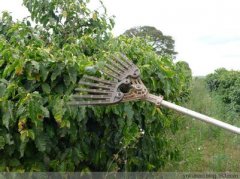
Knapsack coffee picker
Brazil is a country that is good at invention and creation. It has invented a lot of machines in coffee production, which has led to the development of mechanization of coffee production all over the world.
2014-07-09 Coffee supplies coffee pickers coffee machines
The process of processing raw coffee beans the price of Alishan Mazu coffee
Process Editor when the coffee berries are ripe, they are usually harvested by manual picking, in some places only the fully ripe berries are picked, and in others all the coffee berries are picked from a branch. The former is called handpicked and the latter is called strip-picking. Because the ripening time of coffee berries is not consistent, so there is a good harvest.
2016-06-07 Coffee raw beans processing process Alishan marsh price editing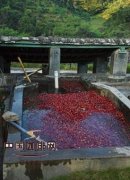
The steps of wet treatment of coffee beans after picking
As the harvest season is almost over, I would like to add an overview of the coffee processing process. In this blog post, I will introduce to you the steps of wet treatment in Yunnan after coffee picking. After harvest, the berries are either sent directly to the pulp collector (if the harvest is done well), or concentrated in a siphon tank filled with water. The berries are here.
2015-01-28 Coffee beans processing coffee picking steps harvest season right away past